


Where to Sell Templates and Scripts Online
Creators, developers, and entrepreneurs are increasingly turning to the best digital marketplace platforms to distribute templates, scripts, themes, and other downloadable assets. These platforms offer immediate access to global audiences, integrated payment systems, and scalable infrastructure. As demand for digital products continues to expand, selecting the right marketplace and implementing strong SEO strategies has become essential for achieving sustainable growth. Sellers who align their offerings with platform strengths, optimize discoverability, and maintain quality standards consistently outperform competitors.
What Defines the Best Digital Marketplace
Not every marketplace offers the same value. The best digital marketplace environments combine high traffic, strong search functionality, and reliable delivery systems. These platforms simplify selling while providing tools that help creators scale efficiently.
Key characteristics include:
- Built-in audience and discovery tools
- Automated delivery and licensing
- Analytics and performance tracking
- Secure payment processing
- SEO-friendly product structures
- Flexible pricing and bundling options
Platforms that excel in these areas reduce operational complexity and allow sellers to focus on product quality and innovation.

High-Demand Digital Products to Sell
Understanding which products perform best helps sellers prioritize development efforts. Digital assets that solve real problems consistently attract buyers.
Top-performing product categories:
- WordPress themes and plugins
- Shopify themes and store templates
- Website design templates
- Email marketing templates
- PHP scripts and automation tools
- Portfolio website templates
- UI kits and landing pages
- Digital marketing resources
Industry analysis shows that practical and reusable products generate recurring sales. Research exploring profitable digital items emphasizes functionality and usability as the strongest conversion drivers.
Comparing Marketplace Models
Different marketplaces operate under distinct business models. Understanding these models helps sellers choose the most suitable environment.
Best Digital Marketplace
Open platforms allow anyone to list products. They offer high traffic but also strong competition.
Advantages:
- Large audience reach
- Quick listing process
- Built-in trust signals
Challenges:
- High competition
- Platform fees
- Limited branding control
Curated Marketplaces
Curated platforms review submissions and maintain higher quality standards.
Advantages:
- Less competition
- Higher perceived value
- Better visibility
Challenges:
- Approval requirements
- Limited product flexibility
Independent Marketplace Stores
Some creators build independent storefronts combined with marketplace exposure.
Benefits include:
- Full brand ownership
- Flexible pricing models
- Direct customer relationships
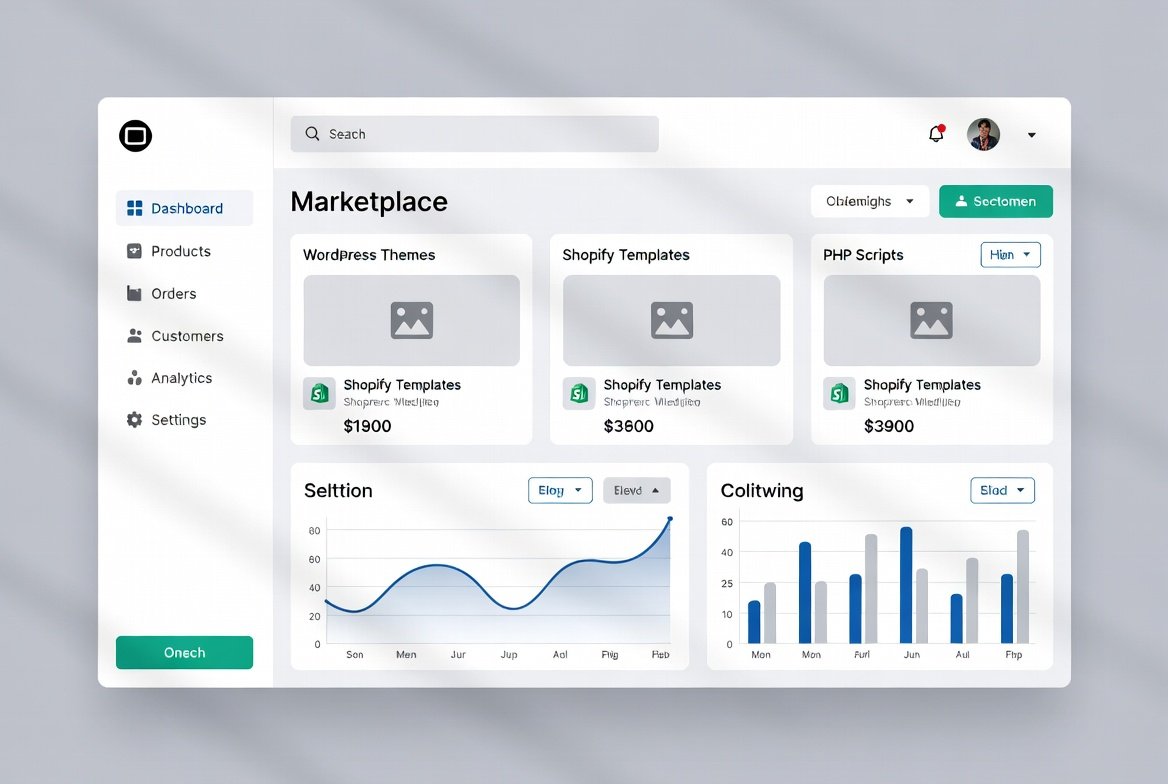
Exploring curated digital collections within a dedicated shop environment can demonstrate how structured catalogs enhance product discoverability.
SEO Essentials for Marketplace Listings
Search visibility determines whether products get discovered. Optimizing listings for marketplace search engines and external search engines is critical.
Essential SEO elements:
- Keyword-optimized titles
- Clear product descriptions
- Feature-rich bullet points
- Relevant tags and categories
- High-quality preview images
- Structured internal linking
Experts in marketplace optimization highlight category-level SEO as a powerful growth driver. Studies focusing on marketplace search performance indicate that well-structured categories significantly increase organic traffic.
Building Authority Through Content
Content marketing strengthens visibility and trust. Educational resources help sellers demonstrate expertise and attract targeted buyers.
Effective content strategies:
- Tutorials demonstrating product usage
- Product comparison guides
- Industry trend analysis
- Step-by-step setup instructions
- Case studies with measurable results
Publishing educational material within a dedicated blog hub supports organic growth and establishes authority in competitive niches.
Pricing Strategies That Convert
Pricing digital goods requires balancing value perception and competitiveness. Sellers often experiment with different models.
Popular pricing approaches:
- Single-license pricing
- Multi-tier licensing
- Subscription access bundles
- Bundle discounts
- Limited-time offers
Testing pricing structures helps identify optimal conversion points. Bundling related templates or scripts can significantly increase average order value.
Trust Signals That Increase Sales
Buyers rely heavily on trust indicators when purchasing digital goods. Transparent information reduces friction.
Important trust elements:
- Detailed product previews
- Clear licensing terms
- Support availability
- Refund policies
- Customer testimonials
Providing easy access to important policies improves credibility. Linking to support documentation or platform guidelines helps users feel confident before purchasing.

Marketing Channels for Marketplace Growth
Diversifying traffic sources strengthens long-term sustainability. Relying solely on marketplace search can limit growth potential.
High-performing channels include:
- Organic search optimization
- Social media promotion
- Email marketing campaigns
- Affiliate partnerships
- Paid advertising campaigns
Email marketing is particularly effective for digital products. Buyers often return for updates and new releases.
Best Digital Marketplace Presentation Techniques That Improve Conversion
Presentation directly impacts purchase decisions. Professional visuals and clear descriptions increase perceived value.
Best practices:
- High-resolution preview images
- Real-world usage screenshots
- Detailed feature lists
- Compatibility information
- Update history
Listings showing templates applied in realistic scenarios often outperform generic previews.
Scaling Your Marketplace Business
Once traction is established, scaling becomes the next priority. Expanding product offerings and optimizing operations drives growth.
Scaling strategies:
- Expanding into related niches
- Creating bundled collections
- Offering premium versions
- Introducing subscription access
- Collaborating with other creators
Automation tools help manage delivery, updates, and customer access efficiently.

Challenges in Digital Marketplaces
Despite strong opportunities, challenges exist.
Common obstacles:
- Market saturation in popular niches
- Pricing competition
- Platform algorithm changes
- Intellectual property concerns
- Maintaining product updates
Mitigation strategies include focusing on quality, building a recognizable brand, and diversifying distribution channels.
Future Trends Shaping Marketplaces
Digital marketplaces continue evolving. Several trends are influencing future growth:
- AI-assisted design tools
- Subscription-based digital libraries
- Integrated analytics dashboards
- Cross-platform licensing models
- Marketplace SEO automation
Businesses adapting early to these trends maintain competitive advantages.
Strategic Outlook for Sellers
The best digital marketplace platforms provide scalable opportunities for creators and businesses. Success depends on selecting the right platform, optimizing listings, and building strong marketing channels. Sellers who prioritize SEO, quality, and user experience consistently achieve higher visibility and conversions. As digital demand continues expanding, marketplaces will remain central to online commerce, offering long-term growth for those who invest in structured strategies.