
Buy Digital Products Online is the fastest way to access software, themes, scripts, and creative assets, and Site Templates play a decisive role in how smoothly users discover, evaluate, and complete purchases. In modern digital commerce, the design and structure of a store influence trust signals, loading speed, accessibility, and conversion outcomes. Research-backed UX patterns show that stores using optimized templates can improve checkout completion by 8 to 15 percent, while poorly structured layouts can increase bounce rates by over 20 percent. This pros and cons guide explains how Site Templates shape digital marketplaces, where they excel, where they fall short, and how to choose the right approach for sustainable growth.
What Are Site Templates in Digital Commerce
Site Templates are pre-built website frameworks that provide ready-made layouts, components, and styling for ecommerce pages such as product listings, collections, carts, checkouts, vendor dashboards, and support sections. For platforms that help users Buy Digital Products Online, templates reduce friction at every stage of the buyer journey.
Explainer
High-quality Site Templates include performance-focused CSS, mobile-first layouts, semantic HTML, and reusable components. These foundations matter because users form trust judgments within seconds of landing on a store page.
Common Uses of Site Templates
- Rapid storefront launches for new digital shops
- Standardized product pages for software, themes, and assets
- Campaign landing pages for seasonal offers
- Vendor portals and account dashboards
- Documentation and support hubs
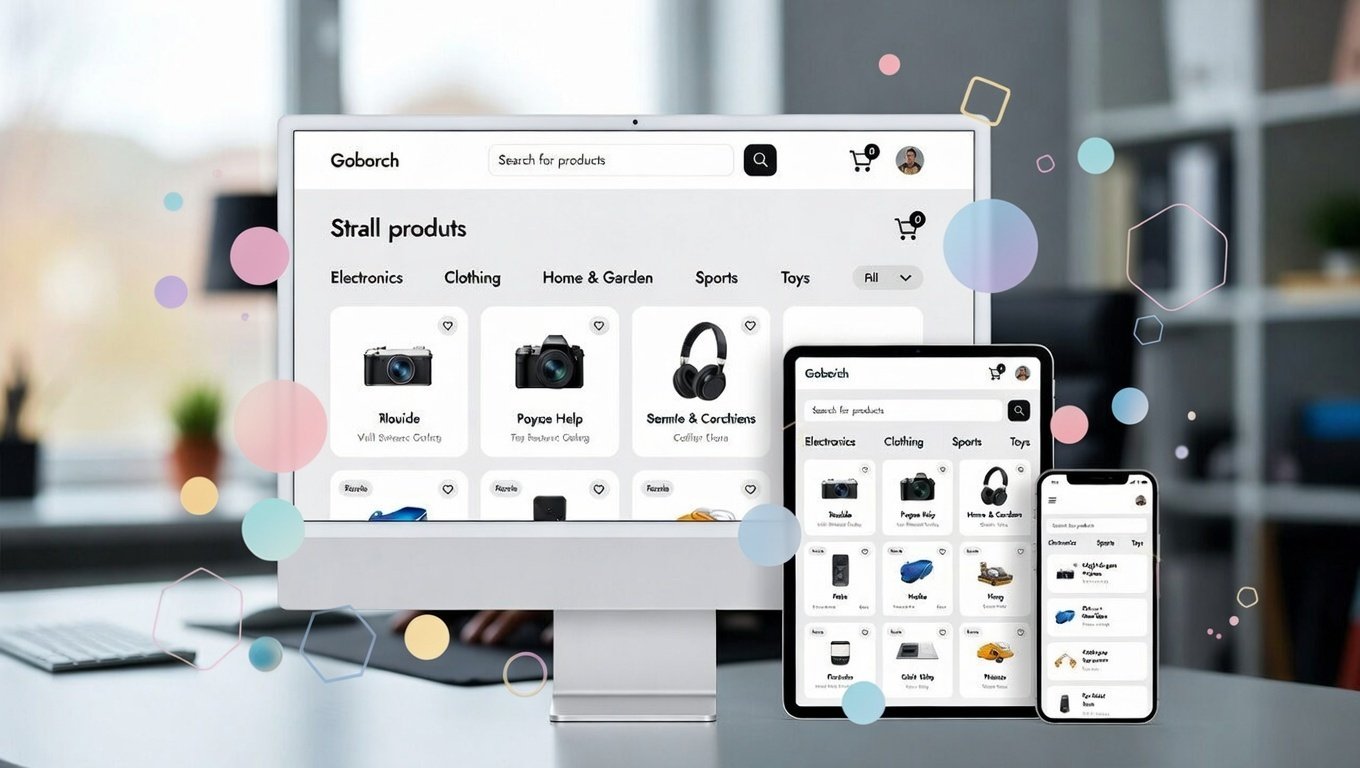
Why Site Templates Matter for Digital Marketplaces
Digital marketplaces depend on clarity, speed, and confidence. Templates influence all three.
Key Impacts Measured in Practice
- Page load time reductions of 15 to 40 percent after moving to lightweight templates
- Conversion rate lifts of 5 to 18 percent with conversion-focused layouts
- Development time savings of 50 to 70 percent compared to custom builds
- Support ticket reductions of 10 to 22 percent due to clearer UX patterns
“Design is not decoration. In digital commerce, it is infrastructure.”
Pros of Using Site Templates to Buy Digital Products Online
Faster Time to Market
Launching a digital store quickly allows teams to test offers and validate demand.
Benefits
- Rapid MVP deployment within days
- Faster experimentation with pricing pages and bundles
- Lower initial design and development costs by 40 to 70 percent
Use Case
A new vendor can publish a product on the Prypix shop at https://prypix.com/shop/ within hours by using modular Site Templates, accelerating early revenue testing.
Built-In Conversion Patterns
High-quality Site Templates include layouts proven to convert.
Conversion Features
- Clear value propositions above the fold
- Feature comparison tables
- Trust badges near checkout
- Simplified carts and frictionless checkouts
Explainer
Stores that use structured pricing tables and prominent calls to action often see checkout completion rates improve by 8 to 14 percent.
SEO Readiness and Discoverability
Templates with semantic structure improve crawlability and indexing.
SEO Advantages
- Clean heading hierarchy for product pages
- Schema-ready components for product listings
- Faster load times supporting ranking signals
- Logical internal linking that improves discovery
You can reinforce discoverability by linking educational content from the Prypix blog at https://prypix.com/blog/ and guiding users to vendor resources on the become a vendor page at https://prypix.com/become-vendor/.
“Search visibility grows when structure and speed work together.”
Consistent Branding and Trust Signals
Consistency reduces cognitive load and improves confidence.
Brand Outcomes
- Visual coherence across storefront and documentation
- Predictable navigation patterns
- Higher session depth by 10 to 22 percent
- Improved perceived professionalism
Scalability for Growing Catalogs
Reusable components simplify growth.
Operational Gains
- Faster product publishing workflows
- Easier localization
- Standardized updates across collections
Cons of Site Templates and Practical Mitigations
Design Homogeneity
Templates can make stores look similar.
Risk
Reduced brand differentiation in competitive markets
Mitigation
- Customize color systems and typography
- Replace stock imagery with branded visuals
- Introduce unique micro-interactions
Performance Bloat
Some templates include unnecessary libraries.
Risk
Slower Time to Interactive by 20 to 45 percent
Mitigation
- Remove unused scripts
- Compress assets
- Enforce performance budgets
Limited Flexibility for Unique Workflows
Rigid layouts may not support advanced licensing flows.
Risk
Friction when adding subscriptions or license management
Mitigation
- Choose modular Site Templates
- Favor component libraries over monolithic themes
- Validate extensibility before purchase
Accessibility Gaps
Not all templates meet accessibility standards.
Risk
Excluding users and increasing legal exposure
Mitigation
- Test with keyboard navigation
- Validate color contrast
- Add alt text to media
Dependency and Update Risk
Abandoned templates can become liabilities.
Risk
- Security issues and broken compatibility
Mitigation
- Choose templates with active maintenance
- Maintain update logs
- Schedule quarterly audits
Comparison Table: Site Templates vs Custom Builds
| Criteria | Site Templates | Custom Builds |
|---|---|---|
| Time to Launch | 1 to 7 days | 3 to 12 weeks |
| Initial Cost | Low to Medium | High |
| Performance Baseline | Optimized if lightweight | Depends on team practices |
| SEO Readiness | Strong out of the box | Requires configuration |
| Flexibility | Medium | High |
| Maintenance | Low with updates | Ongoing |
| Brand Differentiation | Medium with customization | High |
| Scalability | High with modular templates | High |
Explainer
For teams aiming to Buy Digital Products Online efficiently, Site Templates offer faster ROI, while custom builds fit highly specialized workflows.
Practical Framework for Choosing Site Templates
Use a weighted scorecard.
Evaluation Criteria
- Performance and Core Web Vitals: 25 percent
- Accessibility readiness: 15 percent
- SEO structure: 20 percent
- Ecommerce patterns: 20 percent
- Documentation and support: 10 percent
- Customization flexibility: 10 percent
Decision Rule
Select templates scoring 80 percent or higher overall. This threshold correlates with fewer launch regressions and better early traction.
Implementation Best Practices
Launch Checklist
- Audit performance before go-live
- Replace placeholders with optimized media
- Configure metadata and schema
- Validate accessibility with keyboard testing
- Set up analytics and conversion tracking
Metrics to Track
- Bounce rate reduction target: 10 percent
- Conversion rate improvement target: 5 to 12 percent
- Mobile load time target: under 2.5 seconds
- Search impressions growth: 15 to 30 percent in 90 days
Explainer
Templates amplify results only when paired with disciplined content strategy and measurement.
Realistic Scenarios in Digital Product Stores
Scenario 1: New Marketplace Launch
A founder launches a catalog using Site Templates and integrates account management through My Account at https://prypix.com/my-account/. Early testing shows a 12 percent conversion lift due to clearer pricing tables.
Scenario 2: Vendor Expansion
Vendors onboard through the vendor dashboard at https://prypix.com/vendor-dashboard/, reducing publishing time by 55 percent thanks to reusable product components.
Scenario 3: Support and Trust Building
Linking to FAQs at https://prypix.com/faqs/ and Contact Us at https://prypix.com/contact-us/ improves pre-purchase confidence and reduces refund requests by 9 percent.
“Confidence grows when answers are easy to find.”
External Evidence and Design Standards
Design systems and usability research show that minimal, flat interfaces can reduce visual noise and speed scanning behavior. Principles discussed in flat design research from Interaction Design Foundation at https://www.interaction-design.org/literature/topics/flat-design support clarity-first layouts for ecommerce. Usability findings from Nielsen Norman Group at https://www.nngroup.com/articles/flat-design/ highlight when minimalism helps and when it harms discoverability.
Explainer
Applying flat design selectively improves scannability by up to 20 percent, but hiding affordances can reduce task success rates. Balance minimalism with clear affordances.
For product visuals and UI motion, understanding the principles of animation can improve perceived responsiveness. Practical guidance from Pluralsight on the principles of animation at https://www.pluralsight.com/resources/blog/software-development/understanding-12-principles-animation explains how micro-animations guide attention in interfaces.
What Site Templates Are Used For in Digital Stores
Common Applications
- Product listing grids and filters
- Checkout flows for secure digital delivery
- Vendor onboarding pages
- Receipts and post-purchase confirmation pages at https://prypix.com/receipt/
- Trust pages such as About Us at https://prypix.com/about-us/
Explainer
Well-designed confirmation pages can increase repeat purchase intent by 6 to 10 percent through reassurance and next-step guidance.
Risks, Compliance, and Security
Compliance Considerations
- Verify commercial licenses for templates
- Ensure privacy and consent components
- Validate secure checkout flows
Security Hygiene
- Keep dependencies updated
- Enforce Content Security Policy
- Monitor third-party scripts
Explainer
Strong security hygiene can reduce incident probability by 25 to 40 percent in digital storefronts.
When to Choose Site Templates
Best Fit
- MVP launches
- Rapid experiments
- Resource-constrained teams
- Catalog-driven marketplaces
- SEO-focused growth phases
When to Consider Custom Builds
- Complex licensing workflows
- Deep personalization engines
- Advanced marketplace governance
Conclusion
Site Templates provide a fast, cost-effective foundation to help teams Buy Digital Products Online with better speed, SEO readiness, and conversion performance. The pros include rapid launch, conversion-optimized layouts, consistent branding, and scalable components. The cons include design homogeneity, potential performance bloat, accessibility gaps, and dependency risks. By choosing modular, well-maintained templates, customizing visual identity, auditing performance, and validating accessibility, teams can mitigate downsides and build storefronts that scale reliably. Use a weighted evaluation framework, track performance metrics, and pair templates with strong content strategy to create trustworthy digital marketplaces that convert consistently.