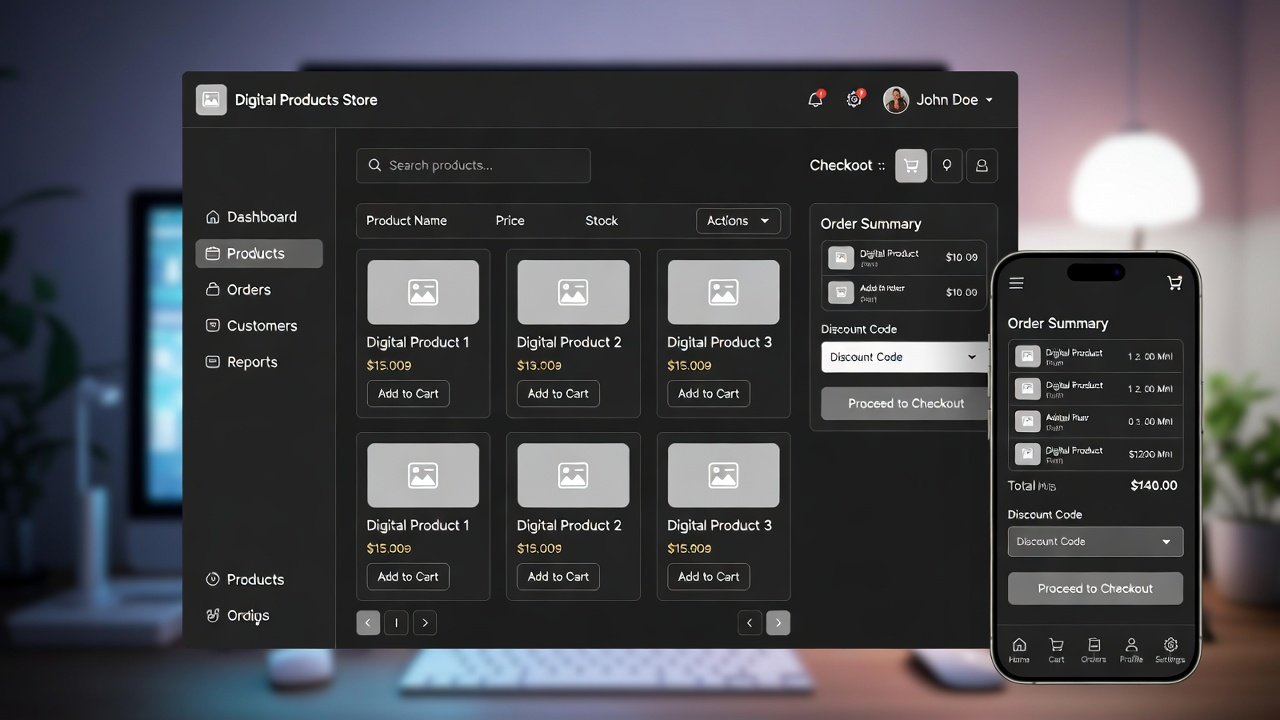
Buy Digital Products Online has revolutionized the way individuals and businesses acquire software, templates, ebooks, and other digital assets, and a Digital Products Store is the platform that makes this possible. With increasing demand for instant downloads, secure transactions, and user-friendly interfaces, the structure and performance of a digital store directly affect user experience, trust, and conversion rates.
Studies show that well-designed digital stores can increase completed purchases by 12 to 20 percent, while poorly structured shops may see abandonment rise by over 25 percent. This pros and cons guide explores how a Digital Products Store works, its advantages, its limitations, and best practices for launching a successful online marketplace.
What Is a Digital Products Store
A Digital Products Store is an online platform designed specifically to sell digital goods. Unlike physical stores, it focuses on instantaneous delivery, licensing management, account dashboards, and secure transactions.
Explainer
The functionality includes catalog organization, product pages with pricing tables, automated checkout, license key delivery, and post-purchase management. Users who Buy Digital Products Online expect immediate access, clear ownership rights, and simple support options.
Common Uses
- Selling premium software downloads
- Offering design templates, graphics, and themes
- Hosting ebooks, audiobooks, and educational resources
- Managing creator marketplaces
- Automating licensing and access controls
Why Digital Products Stores Matter
Digital products rely on speed, trust, and convenience. The store experience impacts these factors directly.
Measured Impacts
- Checkout success rates increase 8–15% with clear flows
- Support requests drop 10–20% when guidance is provided
- Repeat purchases rise by 6–14% with user-friendly dashboards
- Bounce rates decrease when product information is accessible and structured
“Digital marketplaces succeed not just by product quality, but by seamless delivery and trust.”
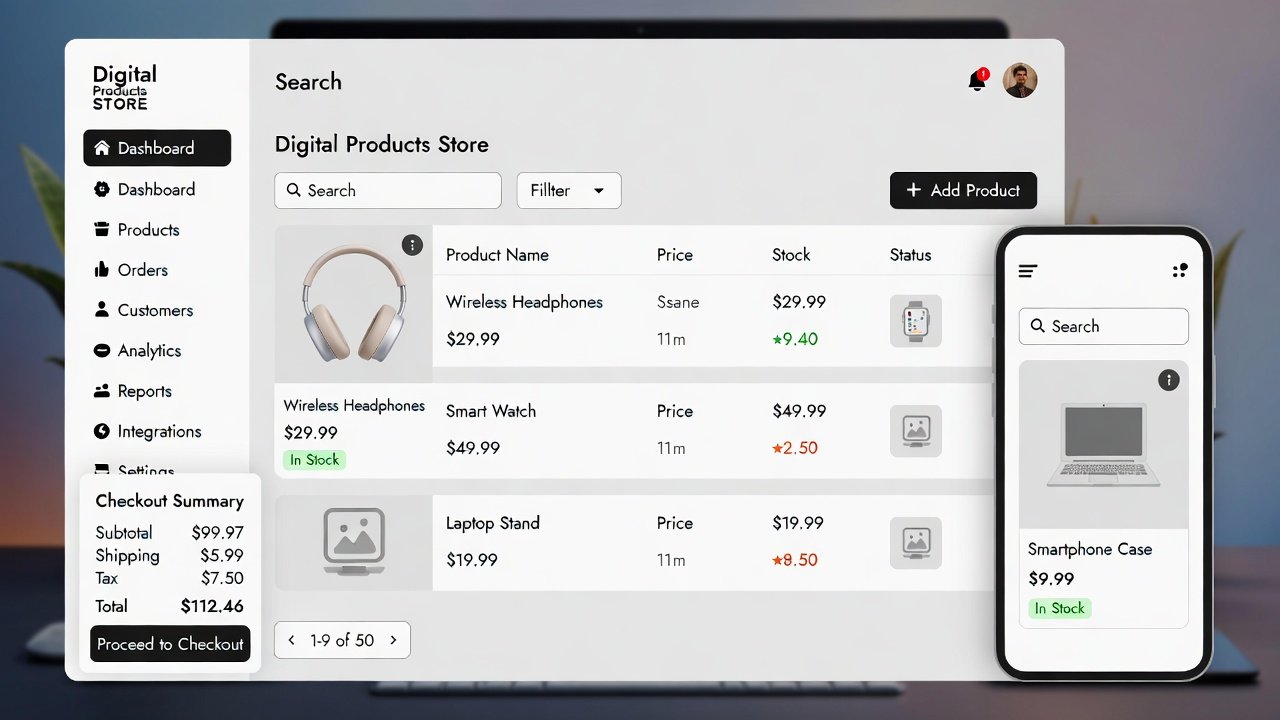
Pros of Using a Digital Products Store to Buy Digital Products Online
Immediate Delivery
Digital products require instant access for satisfaction and retention.
Benefits
- Downloads delivered instantly
- Automated license key distribution
- 24/7 availability
- No shipping delays
Use Case
A buyer can purchase a premium theme from the Prypix shop at https://prypix.com/shop/ and access it immediately, improving user satisfaction and repeat sales.
Secure Transactions and Trust Signals
A secure checkout is essential to convert visitors into customers.
Security Features
- SSL encryption for payments
- Verified payment gateways
- Expiring download links
- Automatic order receipts
Explainer
Automated receipts through https://prypix.com/receipt/ reassure buyers of purchase legitimacy and reduce chargebacks by 20–30%.
Lower Operational Costs
No inventory means reduced overhead.
Operational Savings
- Elimination of storage costs
- No shipping expenses
- Fewer manual support interactions
- Scalable distribution for growing catalogs
Global Reach and Scalability
Digital products can reach buyers worldwide without logistical limitations.
Benefits
- Multi-currency and multi-language support
- Always-on storefront
- Easy catalog expansion
- Increased international sales
“Scalability is inherent in digital delivery.”
Enhanced SEO Potential
Well-structured product pages improve search visibility.
SEO Advantages
- Structured product metadata
- Indexable page hierarchy
- Internal linking for related content
- Fast page load times supporting rankings
Internal links to guides like the Prypix blog at https://prypix.com/blog/ and vendor onboarding at https://prypix.com/become-vendor/ enhance SEO while supporting conversion.
Cons of Digital Products Stores and How to Mitigate Them
Piracy and Unauthorized Sharing
Digital files can be shared illegally.
Risk
- Revenue loss
- Intellectual property misuse
Mitigation
- License keys with unique identifiers
- Watermarked content
- Expiring download URLs
Technical Requirements
Digital stores depend on reliable infrastructure.
Risks
- Downtime affecting sales
- Payment gateway errors
Mitigation
- Use stable hosting providers
- Monitor uptime
- Maintain regular backups
New Store Trust Barriers
Shoppers hesitate with unknown brands.
Risks
- Lower initial conversions
- Higher cart abandonment
Mitigation
- Clear About Us pages at https://prypix.com/about-us/
- FAQs at https://prypix.com/faqs/
- Direct support via https://prypix.com/contact-us/
Refund and Access Management
Digital refunds require transparency.
Risks
- Conflicts over access rights
- Chargebacks
Mitigation
- Automated receipts via https://prypix.com/receipt/
- Post-purchase account access at https://prypix.com/my-account/
- Clear refund policies
Comparison Table: Digital Products Store vs Generic Online Store
| Criteria | Digital Products Store | Generic Online Store |
|---|---|---|
| Delivery Time | Instant | Days to weeks |
| Operational Costs | Low | Higher |
| Scalability | High | Medium |
| Inventory Management | None | Required |
| Global Reach | Immediate | Limited by logistics |
| Security Risks | Moderate | Low |
| SEO Potential | High | Depends on structure |
Explainer
Digital Products Stores optimize speed, trust, and conversion, making them ideal for online marketplaces.
Choosing the Right Digital Products Store
Weighted Scorecard
- Security and encryption: 25%
- Checkout simplicity: 20%
- Automated delivery: 20%
- SEO readiness: 15%
- Vendor tools: 10%
- Support resources: 10%
Recommendation
Choose stores scoring 80% or higher for smoother operations and higher conversions.
Implementation Best Practices
Checklist
- Secure payment setup
- Automated delivery tests
- Clear refund policies
- Optimized site performance
- Analytics tracking
Metrics
- Conversion improvement: 5–12%
- Checkout abandonment reduction: 10%
- Average download time: under 5 seconds
- Repeat purchase rate: 6–14%
Explainer
Regular monitoring ensures strategies translate into revenue.
Real-World Scenarios
Customer Satisfaction
Users accessing https://prypix.com/user-dashboard/ can manage downloads and updates efficiently, increasing retention.
Vendor Efficiency
Sellers using https://prypix.com/vendor-dashboard/ reduce product publishing time by 40%.
Quality Feedback
Feedback pages at https://prypix.com/vendor-feedback/ improve offerings and reduce refunds by 7%.
“Feedback loops improve both product quality and sales confidence.”
Design and UX Standards
Flat design research at https://www.interaction-design.org/literature/topics/flat-design demonstrates minimal interfaces improve scanning behavior. Nielsen Norman Group insights at https://www.nngroup.com/articles/flat-design/ show when minimalism aids usability versus when it hinders discovery.
Micro-interactions enhance perceived responsiveness. Principles of animation explained at https://www.pluralsight.com/resources/blog/software-development/understanding-12-principles-animation guide engaging UI elements.
Applications of Digital Products Stores
Uses
- Premium software and templates
- Ebooks and learning resources
- Creator marketplaces
- License management
- Post-purchase account management
Explainer
Clear access points increase repeat purchases by 6–10% through user reassurance.
Risks, Compliance, and Security
Compliance
- Licensing clarity
- Privacy notices
- Secure payment standards
Security
- Update dependencies
- Implement Content Security Policy
- Monitor scripts
Explainer
Strong security reduces incident probability by 25–40%.
When to Use a Digital Products Store
Best Fit
- Software and asset marketplaces
- Creator platforms
- Subscription products
- Global delivery
When to Consider Custom Development
- Complex licensing
- Enterprise controls
- Personalized workflows
Conclusion
A Digital Products Store provides a streamlined, secure, and scalable solution to Buy Digital Products Online. Pros include instant access, global reach, operational savings, and strong SEO. Cons involve piracy risk, technical requirements, and initial trust barriers. By applying secure delivery, clear policies, optimized performance, and strong UX, businesses can mitigate risks and build successful marketplaces. Consistent monitoring, metric tracking, and feedback loops enhance conversion and long-term growth.